
1REBEL ICONS: DOM
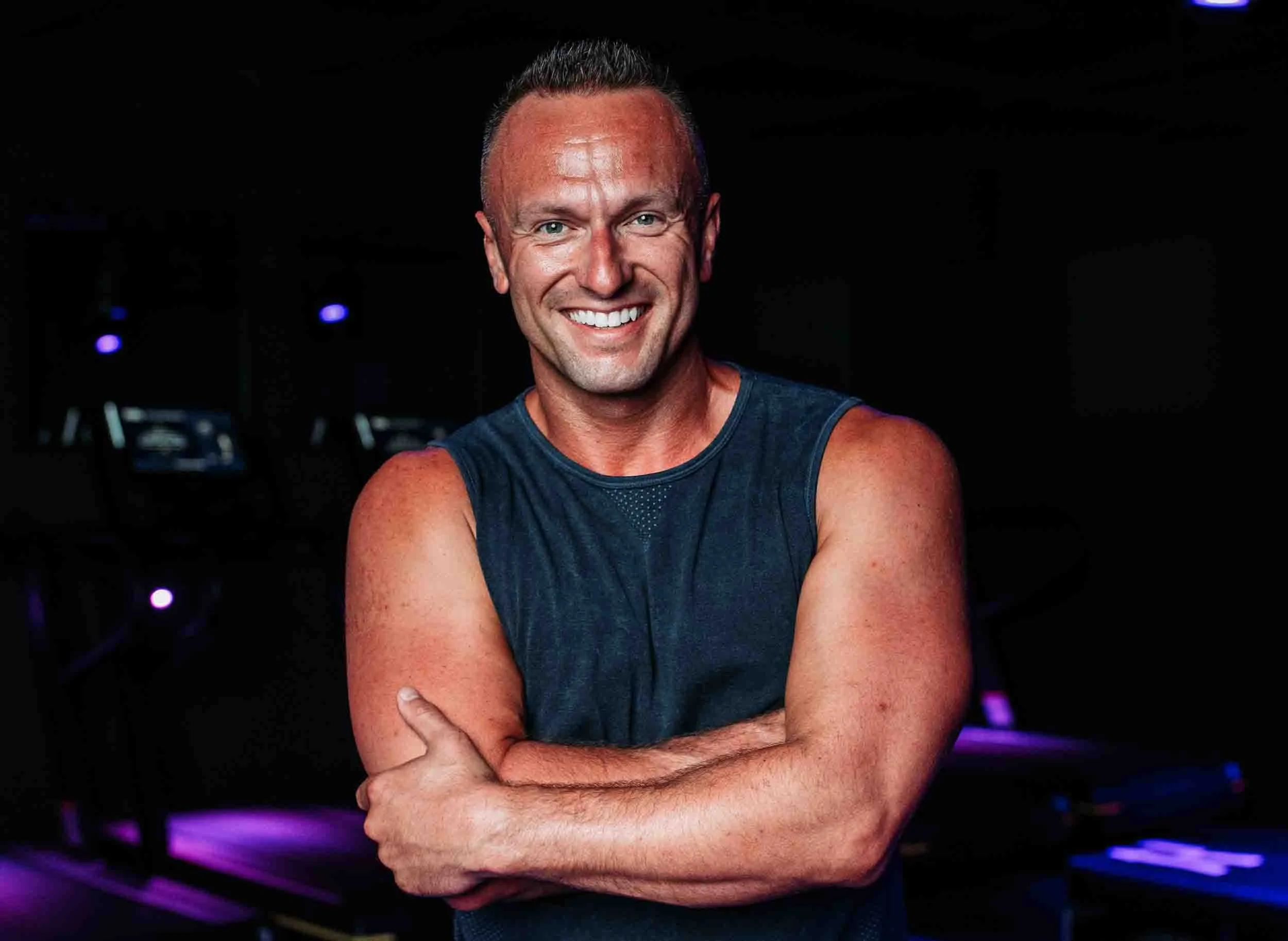
What were you like before fitness became a part of your life?
Before fitness became central to my life, I was a 17-year-old Northern kid with big dreams and a serious work ethic. I’d just finished college and taken a leap into the unknown, moving to London straight into the West End, landing in Billy Elliot the musical.
But even before that, as a kid, I was pure energy. Always moving. I needed somewhere to put it, so I took up gymnastics. That became my first grounding. It taught me discipline, body awareness, strength and focus, how to harness chaos into control. It demanded consistency. It demanded resilience. Little did I know then how much that foundation would carry me later in life.
Growing up in the 90s up North builds something into you. You work hard, you don’t complain, and you earn your place. That mentality shaped everything.
Before coaching, what were you doing?
I was performing. Living in the world of theatre - West End, UK and international tours. Travelling the globe. Landing Billy Elliot at 17 opened doors I could only have imagined. From there, I performed consistently in shows like Kinky Boots, High School Musical, The Rocky Horror Show, We Will Rock You, Legally Blonde and Jesus Christ Superstar. I felt so lucky to tour internationally and perform in places I’d dreamt of. But in that world, staying at the top of your game isn’t optional. It’s survival.
The discipline I first tasted in gymnastics came back around here. Rehearsals, conditioning, repetition, it’s all athletic. Theatre looks glamorous, but behind it is graft. A mentor once told me, “Never stop learning. Don’t get sucked into the glitz and glamour.” She was right. The industry can be bright and distracting, but longevity comes from discipline. From graft. From staying a student.
Can you remember a moment when movement started to feel like more than just training?
The gym was always my constant. The stage was electric but the gym was grounding. It reminded me of being that kid in the gymnastics hall. No spotlight. No audience. Just you and the work. It was my space. Just me exploring what my body could do. Pushing the parameters of comfort. Testing my edges. At some point, it stopped being about aesthetics or performance and started being about identity. It became a place where I built resilience, not just muscle.
What did fitness give you that you didn’t have before?
Control. In an industry that can be unpredictable, movement gave me ownership. It gave me something I could build, brick by brick. Strength became my anchor. Now, stepping into my late 30s, it’s evolved again. Movement isn’t just training, it’s medicine. Strength isn’t about show anymore, it’s about longevity. About building a body and mind that will carry me confidently into the future.
How do you think where you grew up shaped who you are now?
Growing up in the North in the 90s gave me grit. It taught me to graft. To love the process. To understand that rewards come from hard work, not shortcuts. Gymnastics reinforced that early, you don’t land the move without the reps. You don’t hold the line without strength underneath it. I genuinely love to work. I love earning my place. And I bring that into every class I coach. There’s no ego in it. Just effort.
How do you want people to feel when they walk out of your class?
Empowered. Strong. Unstoppable. I want them to feel like they’ve tapped into something bigger than just a workout. Like they’re operating on a higher vibration. When you move with intention and push past what you thought was your limit, something shifts. You don’t just leave sweaty. You leave expanded.
When do you feel most in your element, inside or outside the studio?
Inside the studio, when the music hits and the room moves as one. That energy, that shared commitment, that’s electric. It reminds me of the stage in a different way. It’s performance, but it’s collective. Outside the studio, I feel most aligned when I’m building, training for strength, for resilience, for the long game. This chapter feels intentional. Less about proving. More about sustaining. About building something that lasts.
What keeps you coming back to coach, even on the harder days?
Perspective. I’ve had the privilege of travelling the world and working in incredible spaces. But what matters most now is impact. Coaching isn’t about me performing, it’s about helping someone else realise what they’re capable of. Even on hard days, I remind myself: someone walks into that room needing that hour.
If you had to describe the power of committing to one hour in your own words, what would you say?
One hour is a promise to yourself. It’s 60 minutes where you choose growth over comfort. Strength over excuses. Presence over distraction. Stack those hours and you don’t just change your body. You change your standard. You raise your vibration. You build a resilient future.